The Elf on the Shelf: How a Family Tradition Became a Phenomenon
Why does a small red-suited elf show up in millions of living rooms every December, tucked into a bookshelf or dangling from a light fixture, waiting to be found?
The Elf on the Shelf Christmas tradition is built around three simple pieces: a rhyming children’s storybook, a physical Scout Elf figure, and a nightly hide-and-seek ritual that repeats until Christmas Eve. It didn’t begin as a commercial product. It began as one family’s private holiday tradition, decades before anyone thought to put it in a box and sell it. Here’s where that tradition actually came from, how the “rules” work, why it caught on the way it did, and how to keep it enjoyable without turning December into a second job.
What Is the Elf on the Shelf Christmas Tradition?
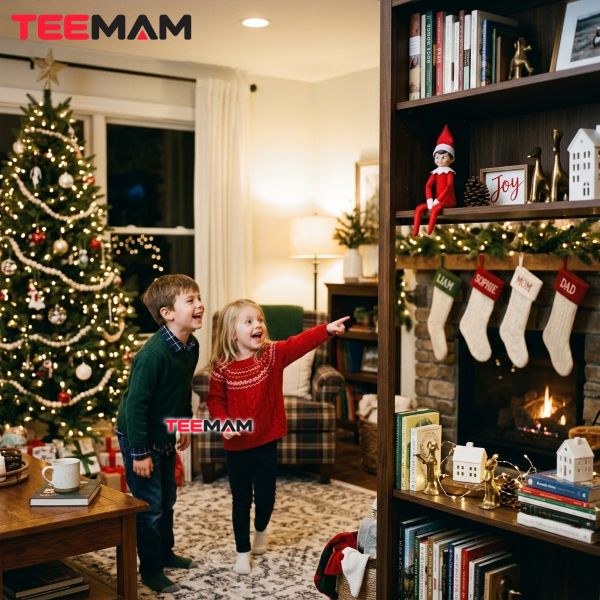
In simple terms: the Elf on the Shelf is a Christmas tradition in which a Scout Elf visits a home, changes location every night while the household sleeps, and becomes a daily part of the family’s holiday routine until it returns to the North Pole on Christmas Eve.
The book-and-doll set launched in 2005 as a single experience, not as a story and a toy sold separately. The rhyming storybook, The Elf on the Shelf: A Christmas Tradition, explains the elf’s role as one of Santa’s helpers, sent to a specific family to observe how the kids are behaving in the run-up to Christmas. Each night, according to the story, the elf flies back to the North Pole to report in, then returns before morning and settles into a new spot in the house. Kids wake up, go looking for it, and the search becomes its own small event, not unlike an advent calendar except the “door” moves every day.
That’s the real distinction: this isn’t a static decoration like a nutcracker on the mantel. It’s a ritual built around movement and daily discovery, kept alive by whichever parent remembers to move the elf before bed. It’s also a relatively young custom compared with many other Christmas traditions; if you want the fuller backstory on how older Christmas customs took shape, the history behind Christmas is worth a look.
The Origin of the Elf on the Shelf Christmas Tradition
A Family Habit Long Before It Was a Product
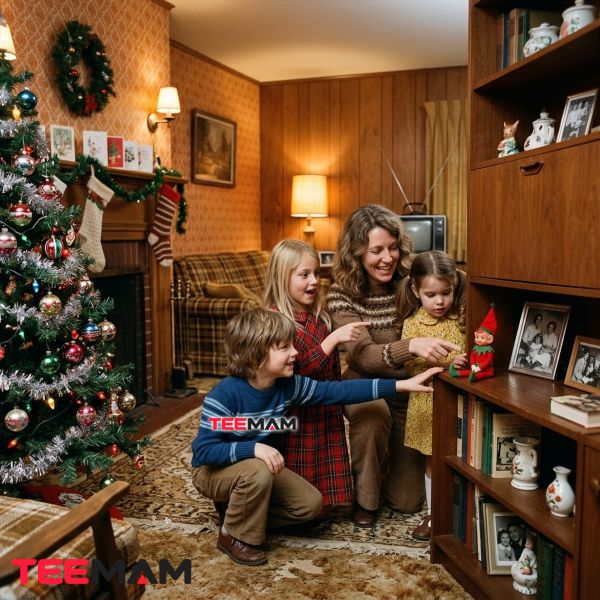
According to interviews the family has given over the years, the tradition dates to 1974 in Atlanta, Georgia, when Carol Aebersold used a pixie elf named Fisbee as part of her own Christmas routine with her children, Chanda, Christa, and their brother, Brandon. Fisbee would appear in a new spot each December morning after a supposed overnight trip to the North Pole, and the kids grew up believing he reported on their behavior directly to Santa.
Decades later, Bell suggested turning the family ritual into a book. She and Aebersold developed the manuscript in 2004, and the family recruited Christa Pitts, who had a background in sales and marketing, to help get the idea to market. No publisher would take it on, so the three financed it themselves: Bell put the costs on personal credit cards, Pitts contributed proceeds from selling her house, and Aebersold and her husband drew on a small retirement account. Through their own publishing company, they launched a book-and-doll set called The Elf on the Shelf: A Christmas Tradition in 2005, with an initial print run of 5,000 copies. According to the company’s own history, every one of those 5,000 copies had sold by the end of that first year, through a mix of local craft shows, a book signing at the Marietta Museum of History, and word of mouth.
What followed was slow at first and then very fast. A 2007 photo of actress Jennifer Garner holding the book helped raise its profile, and the brand (now called The Lumistella Company) has since expanded into pet elves, animated Netflix specials, and a Macy’s Thanksgiving Day Parade balloon. By the tradition’s 20th anniversary in 2025, the company had grown far beyond its original book-and-doll set: Lumistella reported more than 31.3 million combined adoptions of Scout Elves, Elf Pets, and Elf Mates across 26 countries.
Why the Story Was Easy for Other Families to Adopt
A few things made it easy for households outside the Aebersold family to pick it up. It came with a physical character kids could actually look for, not just an abstract idea. It had a repeatable nightly structure already built in, so parents didn’t need to invent a ritual from scratch. And it plugged directly into a story kids already knew: Santa, the North Pole, and the question of who’s been naughty or nice. Families weren’t just buying a doll. They were buying a finished script for a tradition they didn’t have to design themselves.
What Are the Elf on the Shelf Rules?
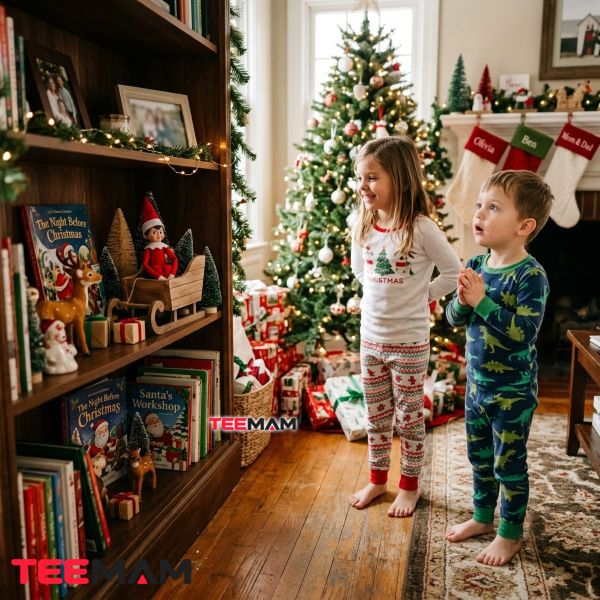
The basic rules of the Elf on the Shelf Christmas tradition come from the original storybook and the brand’s own Scout Elf guidance, and they come down to three basics.
| Rule | What it means in practice |
|---|---|
| The Elf moves overnight | It’s placed in a new spot after the kids are asleep, ready for the next morning’s search |
| No touching | The lore says touching the Scout Elf causes it to lose its Christmas magic |
| Returns to the North Pole on Christmas Eve | In the original story, the elf’s job for the season ends once Santa’s own Christmas Eve trip is underway |
The official Scout Elf guidelines cover these in more detail. If the elf gets touched or moved by accident, the tradition treats it as a temporary loss of Christmas magic rather than a permanent one, and official guidance offers several playful ways families can help restore it.
Different families follow these rules with very different levels of seriousness. Since the entire premise is fictional to begin with, there’s no wrong way to handle a slip-up; it’s mostly about how much narrative structure a given household wants around the game.
When Does the Elf Arrive and Leave?
There’s no mandatory start date. Some families bring the elf out on December 1, others wait until the tree goes up, and others simply start whenever it fits the household’s schedule that year. The brand also promotes a seasonal Scout Elf Return Week, but families don’t have to follow that schedule.
The end date is far more fixed. In the original story, the Scout Elf’s mission wraps up on December 24, when it flies back to the North Pole alongside Santa’s own trip. Some families extend that loosely into early January, but in the original story, the elf is gone by Christmas morning. A short goodbye note left the night before gives kids a sense of closure, and a quick look back at the season’s favorite hiding spots can turn the whole month into a shared memory instead of a routine that just stops. That transition folds naturally into the family’s own Christmas Eve celebration, which is really what the phrase “Merry Christmas” itself was always meant to capture.
Why Did a Simple Elf Become a Christmas Phenomenon?
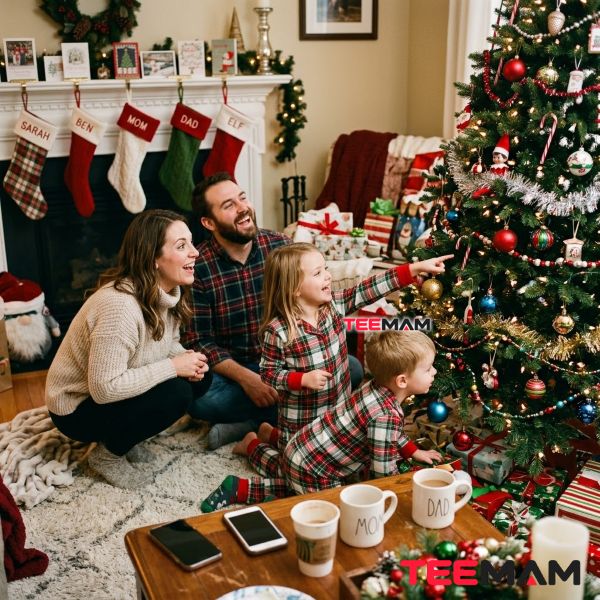
Calling it a toy craze misses the more interesting part of the story. The Elf on the Shelf Christmas tradition works the way it does because the doll itself is only half the experience; the real product is the ritual built around it.
For families who begin in early December, the tradition turns the weeks before Christmas into a string of small daily discoveries instead of one big morning on the 25th. Children aren’t just watching the story unfold, either. They’re searching for the elf, interpreting what its latest hiding spot might mean, and narrating the whole thing to each other over breakfast. Repeated often enough, that search becomes part of the household’s own December rhythm.
There’s also an older storytelling device doing quiet work underneath all of it: the idea that Christmas comes with a judgment of who’s been “naughty” or “nice.” That framing gives the elf a built-in reason to watch, report, and return each night, and it’s a big part of why the character feels connected to Santa mythology rather than existing on its own. The idea of judging children as “naughty” or “nice” has a much longer and stranger history in Christmas folklore than most people realize, with several different traditions, including Saint Nicholas legends, an Alpine punishing figure named Krampus, and a hit 1934 radio song, all contributing to the modern version of Santa’s behavior-based mythology.
Broader research on family life offers one reason repeated rituals like this tend to matter to people. A widely cited review of decades of research on family routines and rituals, published in the Journal of Family Psychology, found associations between family rituals and outcomes such as child adjustment, parenting competence, and relationship satisfaction. That research wasn’t about the Elf on the Shelf specifically, and it doesn’t prove that any one tradition causes those outcomes. What it does suggest is that the basic ingredients that make the Elf work (repetition, a shared script, a small daily moment of attention) are the same ingredients researchers have found in other family rituals that people tend to value. You can read the original research on family rituals if you want the fuller picture.
Social media also helped amplify the tradition. Photos of elaborate elf setups gave other families new ideas to copy and adapt, turning what used to be a private household habit into a much more visible, competitive-feeling holiday genre once smartphones and photo-sharing apps became common.
The key point is that the official version only supplies a starting script. It gives families a basic story and a short set of rules, but most households end up building their own version on top of it. Some move the elf every night without fail, some skip busy evenings entirely, some stick to a handful of simple hiding spots, and others go all-in on elaborate scenes. That flexibility, more than any single rule, is what lets the tradition fit such different family routines.
How to Make the Tradition Fun Without the Burnout
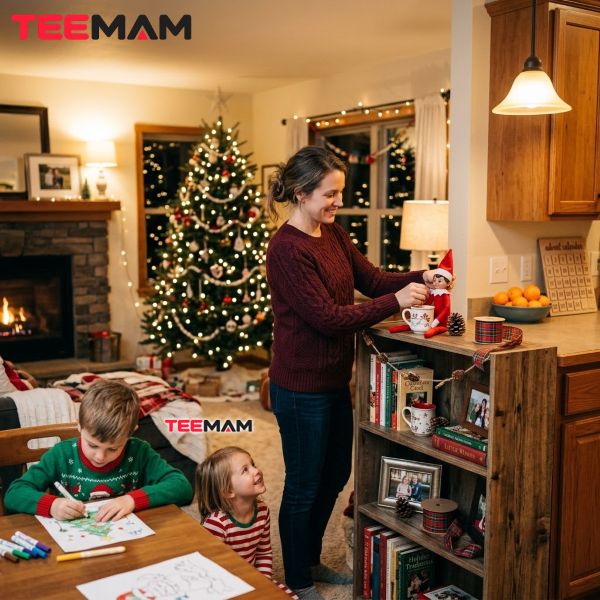
For families starting the Elf on the Shelf Christmas tradition, the easiest approach is to treat it as a flexible ritual rather than a nightly performance you have to top every single day.
A one-minute setup, just moving the elf to another shelf, is a perfectly legitimate night. A five-minute setup might add one household prop already sitting in a drawer. Save the elaborate, photo-worthy scenes for a weekend when there’s actually time, rather than trying to outdo yourself daily. Matching the elf to your own decor also helps: tuck it near the tree, the stockings, or the wrapping station instead of building an entirely separate scene from scratch.
Reusing what’s already in the house (mugs, books, wrapping paper, kitchen utensils) cuts down on both cost and effort. A short backup list saves real stress later in the month: five easy hiding spots, a few simple props, and one goodbye letter ready to go before December 23 arrives and nobody’s thought about it yet. The practical lesson is fairly simple. A tradition that demands a new production every night can turn into another holiday obligation. The setups that last tend to be the ones a family can repeat without much preparation.
Making the Elf Part of Your Christmas Celebration
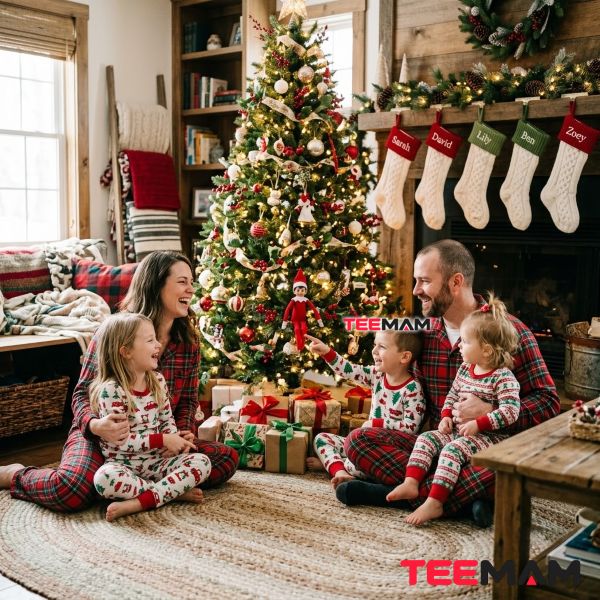
Once the elf becomes one thread in a bigger Christmas rhythm, alongside decor, matching pajamas, stockings, and Christmas morning traditions, it stops feeling like a standalone chore. The same seasonal logic that gives the elf its meaning shows up in older Christmas symbols, too. If you’ve ever wondered why holly, wreaths, and evergreens show up on everything from front doors to sweaters every December, the meaning of Christmas holly traces that back further than most people expect.
That is the approach we take at TeeMam: holiday apparel should add to a family’s ritual, not compete with it. A matching shirt or pajama set can be part of an elf-hunting morning or the Christmas photo everyone actually keeps, but the search itself should still be the reason the kids get out of bed.
Some families also like turning the season into a string of small intentional moments, pairing the elf’s nightly visits with something like Christmas wish list ideas so gift-giving feels like part of the same ongoing tradition rather than a separate errand.
Simple Ways to Start Your Own Elf Tradition
If this is your first year, the setup is genuinely simple.
- Pick an arrival date that fits your family’s schedule, whether that’s December 1 or whenever the tree goes up.
- Read the storybook together so the rules make sense to the kids.
- Name the elf as a family.
- Choose five easy hiding spots you can rotate through.
- Decide, as parents, how strictly you want to enforce the no-touching rule.
- Plan the Christmas Eve goodbye before the month gets away from you.
That last step matters more than it sounds. A goodbye planned in advance is a lot less stressful than one improvised at 11 p.m. on December 23.
Questions About the Elf on the Shelf Christmas Tradition
How did Elf on the Shelf start?
It began as a private family ritual in the Aebersold household, dating back to 1974 in Atlanta. Carol Aebersold’s daughter, Chanda Bell, later suggested turning it into a book, and the family self-published The Elf on the Shelf: A Christmas Tradition in 2005, producing an initial run of 5,000 copies that sold out within the year.
What are the basic Elf on the Shelf rules?
Three core rules: the elf moves to a new spot every night, children shouldn’t touch it, and it returns to the North Pole on Christmas Eve once its job for the season is done.
When does the Elf usually arrive?
Anytime during the holiday season. There’s no fixed date; families choose whatever fits their own Christmas schedule, whether that’s December 1 or a date tied to putting up the tree.
When does the Elf go back to the North Pole?
Christmas Eve, in the original storybook, alongside Santa’s own trip.
Does the Elf need to move every night?
In the official tradition, yes: the Scout Elf is described as returning to a new spot every morning. In practice, many families simplify that on busy nights, and a small change in position is still a change. Nobody’s grading the effort.
Why the Elf on the Shelf Tradition Still Matters
A doll on a shelf isn’t much on its own. What makes the Elf on the Shelf Christmas tradition stick is the ritual built around it: a small daily search that gives kids a role in the story and gives parents a low-cost way to make an ordinary December morning feel like part of something.
The most memorable elf setup probably isn’t the most elaborate one. It’s more likely the one that gave a family a reason to laugh, search, and talk to each other for thirty seconds before anyone had their coffee.

Hi, I’m Olivia Bennett, a fashion and lifestyle writer at TeeMam with 6 years of experience creating content about fashion, outfits, and lifestyle trends. I enjoy sharing practical style ideas for everyday wear, game days, holidays, and special occasions, helping readers find looks that feel comfortable, fun, and uniquely their own.