This Is Halloween The Story Behind the Iconic Song
Every October, the opening notes of The Nightmare Before Christmas can turn an ordinary movie night into Halloween season almost instantly. That’s the job of “This Is Halloween” — the song that opens the film before its main story gets underway.
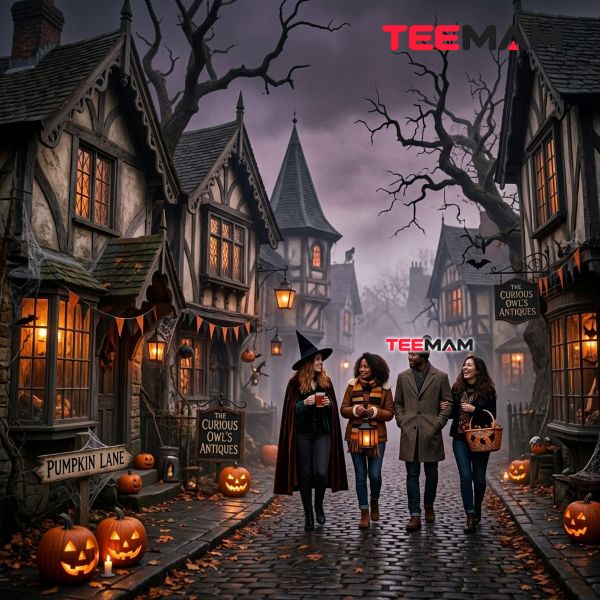
If you searched for this is halloween lyrics, you’re probably trying to remember a line, sing along at a party, or figure out what the song is actually saying underneath all those overlapping voices. This article won’t reprint the full lyrics — that’s copyrighted material best left to licensed platforms — but it will explain where the song came from, what it means, why it’s built to sound unnerving, and why it’s still the song that announces spooky season more than three decades after the film’s release.
Quick answer: “This Is Halloween” is the opening song of The Nightmare Before Christmas (1993), written and composed by Danny Elfman, who also performed several of the vocal parts himself, including Jack Skellington’s singing voice. It’s sung by the residents of Halloween Town and introduces the setting, the cast, and the town’s entire way of life before Jack Skellington is formally introduced as its Pumpkin King.
Looking for the full “This Is Halloween” lyrics? This article doesn’t reproduce the complete copyrighted lyrics. Instead, it breaks down the song’s meaning, characters, and musical construction. For the complete lyrics, check a licensed lyric provider or a music service that explicitly offers licensed lyrics.
Where “This Is Halloween” Came From
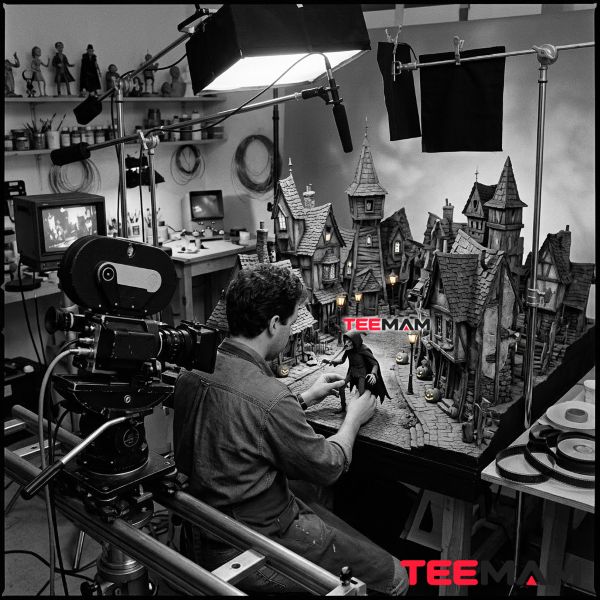
The Nightmare Before Christmas began, in a much earlier form, as a poem Tim Burton wrote while working as a Disney animator in the early 1980s. The story sat dormant for years before Disney and Touchstone Pictures moved forward with it as a stop-motion feature, with Caroline Thompson adapting Burton’s characters into a full screenplay. By the time the film reached theaters in 1993, Burton was directing Batman Returns, so directing duties went to his longtime collaborator Henry Selick, while Burton stayed on as producer and the source of the original story and characters. It’s a distinction worth making: decades of marketing under the title “Tim Burton’s The Nightmare Before Christmas” have left many fans assuming Burton directed it, when Selick is the one who actually did. The stop-motion process itself — building and photographing physical puppets frame by frame — is part of why the film’s musical numbers, including “This Is Halloween,” feel so tactile and theatrical compared to hand-drawn or CGI animation.
Danny Elfman, who had already scored Batman, Edward Scissorhands, and other Burton projects, composed the film’s score and wrote the music and lyrics for its songs, including “This Is Halloween.” He also performed Jack Skellington’s singing voice and contributed vocals to several other character parts. “This Is Halloween” opens the film before the audience formally meets Jack as a character — it functions less like a typical movie theme and more like a town-wide introduction, sung by Halloween Town’s citizens to lay out exactly who they are and what they take pride in.
The soundtrack was released on October 12, 1993 by Walt Disney Records, and Elfman’s score for the film received a Golden Globe nomination for Best Original Score. You can find the full track list and recording details on Disney’s official soundtrack page for the film, which credits “This Is Halloween” as the number that introduces the film’s storyline.
What Do the “This Is Halloween” Lyrics Mean?
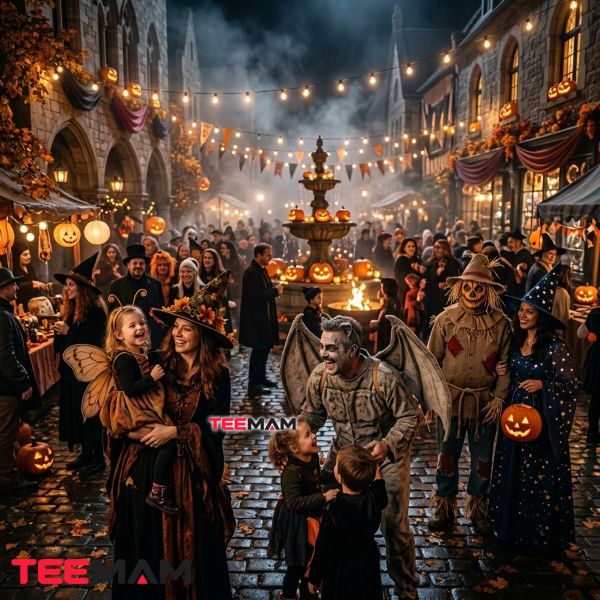
“This Is Halloween” is about the residents of Halloween Town celebrating the things that make their world frightening, strange, and theatrical. Rather than presenting Halloween as something inherently evil, the song treats fear as a form of identity, entertainment, and community. Read closely, the this is halloween lyrics are less a warning than an introduction — the town explaining itself to an outsider.
Strip away the melody, and the song works almost like a walking tour. Each section hands the spotlight to a different resident or group of Halloween Town — the creature hiding under the bed, the figure lurking beneath the stairs, the vampires, the werewolf, the witches — and each one describes what makes them frightening the way anyone else might describe their job or their hobby. There’s no menace directed at the listener. The song isn’t trying to scare you; it’s citizens describing their own culture to a visitor.
The clever part is that the song makes Halloween Town’s behavior feel completely ordinary from the residents’ own point of view. Screaming, jump-scares, and grotesque imagery are treated as craft and community pride rather than violence. By the time the song ends, the audience already understands the social rules of this world without a single line of spoken dialogue, and the town formally introduces Jack Skellington as its Pumpkin King, its most celebrated and admired resident.
Why Does “This Is Halloween” Sound So Creepy?
This is where the song earns its reputation, and where most lyric-focused pages stop short.
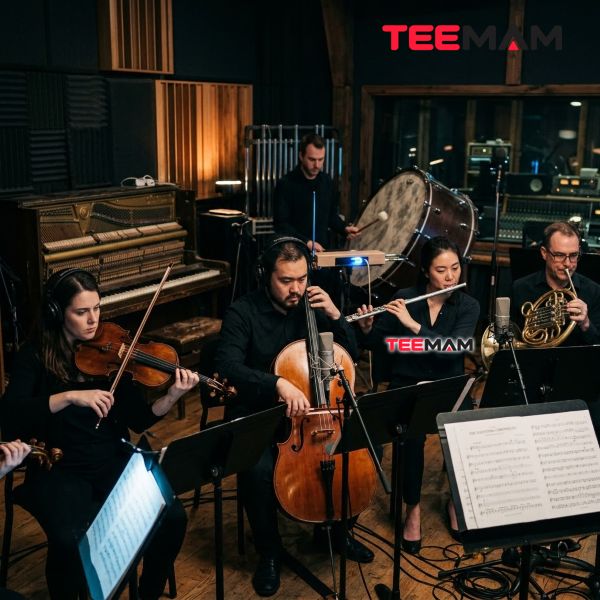
“This Is Halloween” sounds unsettling because Danny Elfman combines minor-key harmony with staccato phrasing, syncopated rhythm, and a brief shift in time signature. According to Classic FM’s breakdown of the song’s construction, it opens in 4/4 time with a march-like, heavily accented beat, then briefly shifts to 3/4 at the end of the chorus — a small but jarring change that keeps listeners slightly off balance. The harmony also keeps moving. It begins in C minor, shifts through G minor and A-flat minor in the chorus, and later moves through F-sharp minor before eventually settling back in G minor by the end. Minor-key harmony that keeps climbing tends to build tension rather than release it, which is part of why the song feels like it’s constantly escalating even when the tempo barely changes.
The orchestration reinforces that tension without relying on volume alone. The staccato string phrasing in the intro creates a nervy, skittering feeling rather than a smooth, singable one. Repetition — the title phrase, and a simple three-note descending melodic pattern — is exactly what makes the song easy to hum along to, even though the harmony underneath is anything but comforting. Elfman layered piano, cello, violins, woodwinds, and brass with cowbells, tambourines, and wood blocks, then used broken arpeggios in the flute and brass to underline what music journalist Helena Asprou of Classic FM describes as the destructive character of the witches and corpses. Crescendos during lines like “everybody scream” push the excitement, and the dread, right to the edge.
Why does “This Is Halloween” sound so creepy? It combines minor-key harmony, staccato rhythm, a changing meter, and layered orchestration to create constant tension.
Who’s Actually Singing?
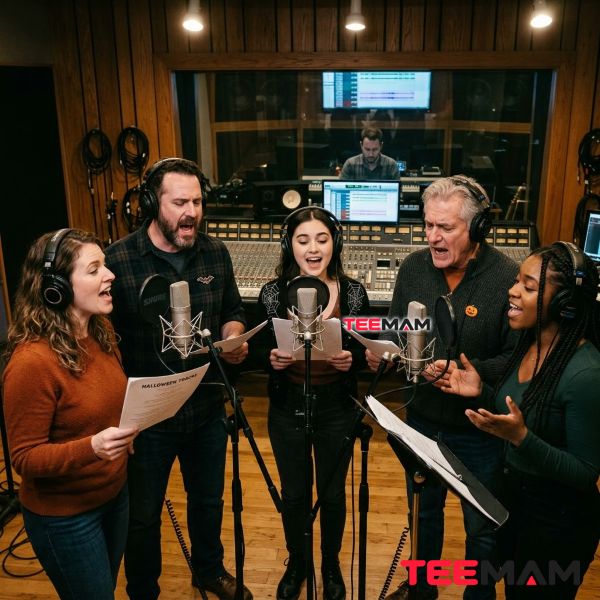
Part of what makes the song feel alive is that it isn’t one performer carrying a solo. Danny Elfman voiced most of the different “characters” himself, alongside a small supporting cast, and each verse hands off to a new voice in Halloween Town — the vampires, the werewolf, the figure under the stairs, the witches stirring something in a cauldron. None of them dominate the song for long, and that handoff structure is deliberate.
One detail becomes clearer when you watch the opening without skipping ahead: Jack is not the first thing the audience is asked to care about. The town is. The song establishes Halloween Town and its residents before the narrative focus shifts toward Jack Skellington, reinforcing the idea that the town exists as a functioning community rather than merely as a backdrop for its Pumpkin King. Most animated musicals introduce their hero first and let the world build around them. “This Is Halloween” does the opposite: it builds the world first, so that when Jack finally steps forward, he’s stepping into a place the audience already understands.
What Makes “This Is Halloween” Different From a Typical Movie Song?
Most songs written for animated films are either a character’s solo or a stand-alone set piece meant to be catchy on its own. “This Is Halloween” is doing something less common: it’s collective exposition set to music.
Instead of one character explaining the plot, an entire town takes turns describing itself, and the music changes voice almost as quickly as the lyrics do — a vampire’s verse sounds different from a werewolf’s, which sounds different from the witches’. By the final chorus, the audience has absorbed the setting, the social hierarchy, the town’s values, and its tone, all without a line of spoken dialogue. That’s a lot of narrative work for a song built around one repeated hook.
It also sets the emotional register for everything that follows. Because the number establishes fear as entertainment rather than danger, the audience already knows how to read Jack Skellington’s later frustration with his own life — as something closer to an artist’s creative restlessness than genuine menace. Few movie songs are asked to carry that much structural weight, which is part of why “This Is Halloween” still gets analyzed and referenced decades after the rest of its soundtrack has faded into the background.
Why “This Is Halloween” Became a Halloween Tradition
The song’s staying power comes from a few things working together: it’s instantly recognizable, it works completely outside the film, and it’s been passed along through cover versions and annual replay for more than thirty years.
Nostalgia and annual replay. Viewers who first encountered the film as children can now revisit it through annual Halloween traditions, family movie nights, streaming playlists, and social media clips — often the same people who once searched for this is halloween lyrics just to learn the words to the chorus. The basic ritual of returning to the film every October hasn’t changed since 1993 — only the ways people rediscover and share the song have, mostly through digital platforms that didn’t exist when the film premiered.
Why it works outside the film. The song shows up on Halloween party playlists, in short-form video clips, and in Disney’s own Halloween park entertainment over the years, none of which require anyone to have seen the film recently, or at all. Its opening seconds — the staccato strings, the repeated title hook — are recognizable almost instantly, which matters in an era where songs get judged within the first few seconds.
Cover versions and cultural reach. For the 2006 special-edition reissue of the film’s soundtrack, Disney added new covers of five songs by artists including Marilyn Manson and Panic! at the Disco. Only Marilyn Manson’s version was later carried over to the 2008 tribute album Nightmare Revisited, giving the song another entry point for listeners who had never seen the original film.
The song’s lasting appeal may be simpler than all of that combined, though. Halloween Town takes the things other people might find frightening and treats them as ordinary skills worth celebrating. That point of view makes the song feel playful rather than threatening, which is exactly why it works so well at a Halloween party — and it’s a big part of why “This Is Halloween” has outgrown its original role as a single film number to become something closer to an unofficial anthem for the season itself.
From Halloween Town to Modern Spooky-Season Style
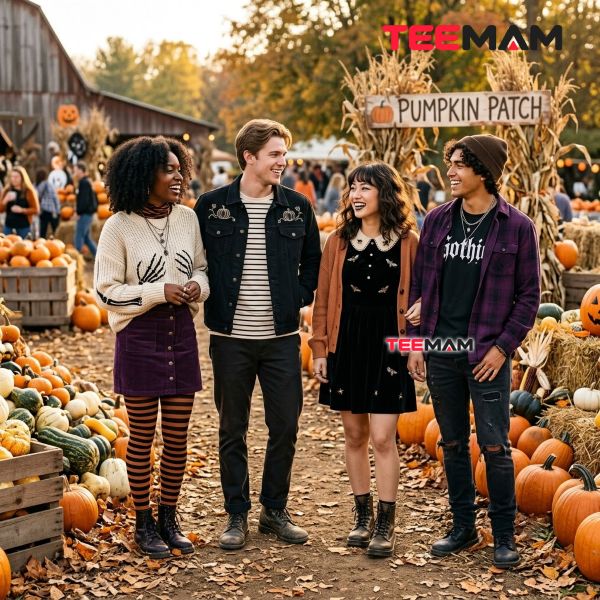
Long after the film’s plot fades from memory, what tends to stick is the look — that instantly identifiable mix of bone white, burnt orange, deep purple, and near-black, paired with crooked typography and characters who are unsettling and a little charming at the same time. That combination has a name in design circles: creepy-cute. It’s scary enough to feel like Halloween, but warm enough to feel inviting rather than actually threatening, which is more or less exactly what “This Is Halloween” is doing musically.
Modern Halloween decor and fashion frequently combine gothic imagery with playful details: black-and-orange palettes, striped patterns, whimsical skeletons, and vintage-style monster illustrations. That balance of menace and humor is very close to the visual language Halloween Town popularized on screen. If you want the deeper backstory on how Halloween became a holiday built around exactly this mix of fright and fun, our guide to Halloween’s history and origins covers where the traditions actually started.
Building Your Own “This Is Halloween” Mood
If the aesthetic is what pulled you in, here’s an honest way to recreate it without simply reproducing character art wholesale, which runs into copyright trouble fast and tends to look less original anyway.
Start with a tight color palette: black, charcoal, burnt orange, muted purple, cream, and maybe one deep red as an accent. Mix a couple of gothic elements — skeletons, bats, crooked lettering — with something genuinely playful, like a pumpkin with a lopsided grin instead of a menacing one. The goal isn’t to reproduce Halloween Town frame-for-frame; it’s to borrow the feeling — fear as fun — and let that guide your own choices. If you’re stuck on wording for invitations, signage, or captions, a running list of spooky words for Halloween is a decent shortcut for getting the tone right without sounding forced.
On clothing, that balance is easy to translate. Black, cream, muted orange, vintage lettering, and playful skeleton motifs can feel seasonal without looking like a costume. At TeeMam, we draw on Halloween’s mix of humor, nostalgia, and visual character to create designs that work naturally with everyday fall outfits rather than feel limited to a single night.
Translating the Halloween Town Aesthetic Into Everyday Style
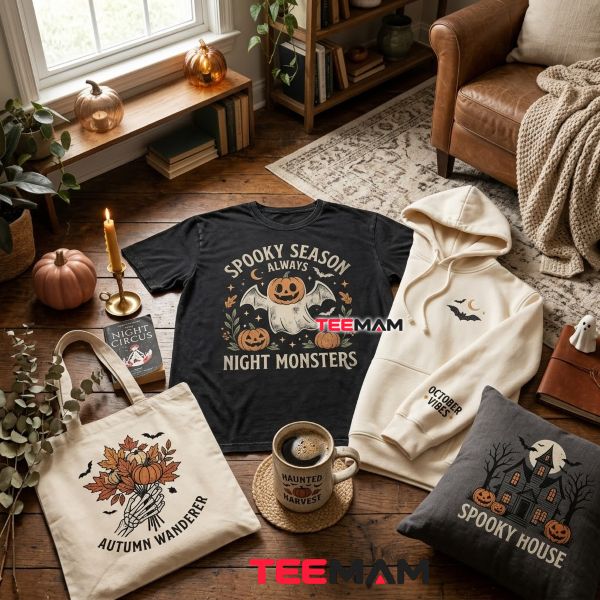
Graphic tees are the easiest entry point, especially oversized or vintage-inspired designs built around pumpkins, skeletons, stripes, or playful monsters. As temperatures drop, hoodies and layered fall outfits carry the same aesthetic into movie nights and pumpkin-patch trips. For people who want the mood to extend beyond clothing, spooky mugs, totes, and wall art bring the look into everyday spaces without requiring a costume.
The strongest direction for original designs isn’t copying Jack Skellington or reproducing artwork from the film. A better route is translating the mood into original graphics — crooked lettering, vintage-style monsters, bats, pumpkins, striped motifs, theatrical typography — that stay connected to the season while standing on their own.
How “This Is Halloween” Fits Into the Bigger Halloween Tradition
It’s worth remembering the song is one small, very specific piece of a much older holiday. Modern Halloween reflects layers of Celtic, Christian, and later European and American traditions. Samhain and the Christian observance of Allhallowtide are important parts of the history often discussed alongside Halloween, although the modern holiday developed through a much longer process of cultural change rather than a straight line from one festival to the next. It’s also worth being precise about what Halloween is not: it’s sometimes confused with Día de los Muertos, which shares a similar spot on the fall calendar but comes from an entirely different cultural and spiritual tradition. If that distinction interests you, we’ve laid out the differences between Halloween and Día de los Muertos in more detail.
Quick Facts: “This Is Halloween”
| Question | Short answer |
|---|---|
| Who wrote it? | Danny Elfman |
| What movie is it from? | The Nightmare Before Christmas (1993) |
| Who directed the film? | Henry Selick (Tim Burton produced and created the story) |
| When was the soundtrack released? | October 12, 1993 |
| Who performs the song? | Halloween Town’s residents, with Danny Elfman providing many of the vocals |
| Why does it sound creepy? | Minor-key harmony, staccato rhythm, and a mid-song time-signature shift |
| Notable covers | Marilyn Manson and Panic! at the Disco (2006); Manson’s version reappeared on Nightmare Revisited (2008) |
Where to Actually Hear “This Is Halloween” (and Find the Real Lyrics)
If you came here specifically hunting for the complete this is halloween lyrics, the responsible answer is to check a licensed lyric provider or a music service that explicitly offers licensed lyrics, rather than a random copy-paste site, since reproducing full lyrics is protected by copyright. The original recording — 3 minutes and 16 seconds long — is on The Nightmare Before Christmas: Original Motion Picture Soundtrack, released October 12, 1993 by Walt Disney Records. The song is available through major digital music services, though exact availability can vary by country and licensing period.
Related Questions About “This Is Halloween”
What is “This Is Halloween” about? It introduces Halloween Town through the voices of its residents, presenting scares and theatrical performance as everyday life rather than something threatening — the core idea behind the this is halloween lyrics even before you get to the chorus.
Who wrote “This Is Halloween”? Danny Elfman wrote and composed the song, as he did the entire Nightmare Before Christmas score, and he also performed several of the character vocal parts himself.
Why does “This Is Halloween” sound so unsettling? Minor-key harmony, staccato rhythm, changing meter, and layered orchestration work together to create tension.
Who sings “This Is Halloween”? The residents of Halloween Town, largely performed by Danny Elfman himself across multiple character voices, alongside a small supporting cast.
Where can I find the full “This Is Halloween” lyrics? Through a licensed lyric provider or a music service that offers licensed lyrics. Reproducing the full lyrics here would violate copyright, which is why this article summarizes and analyzes them instead of printing them in full.
Why “This Is Halloween” Never Really Leaves the Season
Take away the minor-key modulations and the staccato strings, and what’s left is a song about a town that’s genuinely proud of what makes it strange. Danny Elfman built something that works as exposition, character introduction, and pure spectacle all at once — and more than three decades after the film’s release, it still does exactly that in just over three minutes. It doesn’t just tell you Halloween has arrived. It makes you feel, for a moment, like you’ve wandered straight into a town where that’s true every single day of the year.

Hi, I’m Olivia Bennett, a fashion and lifestyle writer at TeeMam with 6 years of experience creating content about fashion, outfits, and lifestyle trends. I enjoy sharing practical style ideas for everyday wear, game days, holidays, and special occasions, helping readers find looks that feel comfortable, fun, and uniquely their own.